
The first six years of life are not just “early childhood”, they’re a neurodevelopmental powerhouse. Brain science shows that these years lay the foundational architecture for a child’s lifelong learning, behaviour, and wellbeing.
Neuroscientists agree that during these early years, the brain is at its most flexible and responsive. In fact, 90% of a child's brain development happens by age five, with neural connections forming at an extraordinary pace. This rapid build-up of brain architecture underlies future reasoning, language, and emotional skills.
Why the First 6 Years Are a Critical Window?
Brain development isn’t gradual, it’s explosive in the early years. From birth through age six, experiences, relationships and environmental stimulation directly influence how neural circuits are formed and strengthened. That’s why this period is often called a critical period in brain development.
- Language acquisition and reasoning are especially malleable during early childhood, making early exposure to rich linguistic environments transformative.
- Social and emotional foundations such as empathy, self control, and resilience are rooted in early interactions with caregivers and educators.
- Cognitive skills including problem solving, memory, and curiosity are shaped more strongly between birth and age six than at any later stage of life.
The science behind learning through early childhood education
Research consistently shows that quality early childhood education is not just beneficial, it is foundational. High quality early learning environments support neural connections that predict better academic readiness, emotional health, and social functioning later in life.
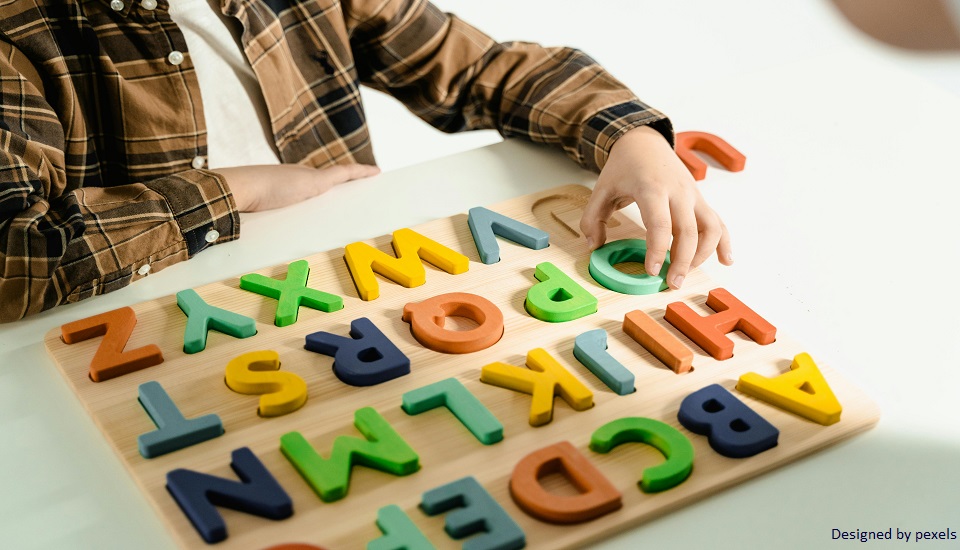
Play is a prime example. Neuroscience shows that learning through play, a core element of many early childhood curricula, actively builds the neural networks children use for critical thinking, language, and creativity. These insights directly influence curriculum design, which is why many top rated child development courses in Mumbai and early childhood education programs emphasise interactive, play based, relationship centered learning.
What this means for aspiring early educators in Mumbai
If you are passionate about fostering optimal development in children, understanding brain science is essential. This is one of the key reasons early childhood education training has become a priority for educators and parents alike.
In Mumbai, a range of top rated child development courses and early childhood education programs equip professionals with science grounded knowledge and hands on skills to support young learners.
- Certificate and diploma programs blend theory with practical training to help educators apply neuroscience insights in real classroom settings.
- Specialised training in early childhood education provides educators with strategies to nurture language development, cognitive growth, and social emotional skills in children aged zero to six.
- Choosing a respected early childhood education course in Mumbai can help you become a more effective educator and contribute directly to shaping childrens developmental journeys during their most formative years.
Why Does This Matter?
Brain science tells us that the first six years aren’t just “the beginning” - they’re the foundation upon which future learning and life success are built. With the right training, educators become critical partners in this developmental journey.
Whether you’re entering the field or advancing your career, consider how programs like early childhood education course Mumbai and training in early childhood education align with this science. The children you teach won’t just learn, they’ll thrive.
Written By : Aniket